Navigating the floor of a gaming venue or browsing an online gaming platform can feel overwhelming due to the sheer variety of options available. Every game operates under a built-in mathematical advantage held by the venue, commonly known as the house edge. Understanding how this statistical margin affects your odds is the most crucial step in choosing games that offer the best value for your entertainment budget.
Blackjack and Skill-Based Odds
Blackjack consistently ranks among the most favorable options for players looking to stretch their bankroll. When basic strategy is applied correctly, the house advantage can drop below one percent, making it one of the fairest choices on the floor. Players who take the time to learn optimal decisions for hitting, standing, and splitting can significantly lower the mathematical edge against them.
Unlike pure games of chance, blackjack rewards disciplined decision-making and a structured approach. Choosing tables that pay three to two for a natural blackjack rather than six to five further improves player odds. Players who research dynamic gaming platforms like link alternatif m88 often look for table variations with rules that favor strategic play.
Craps and Low Margin Wagers
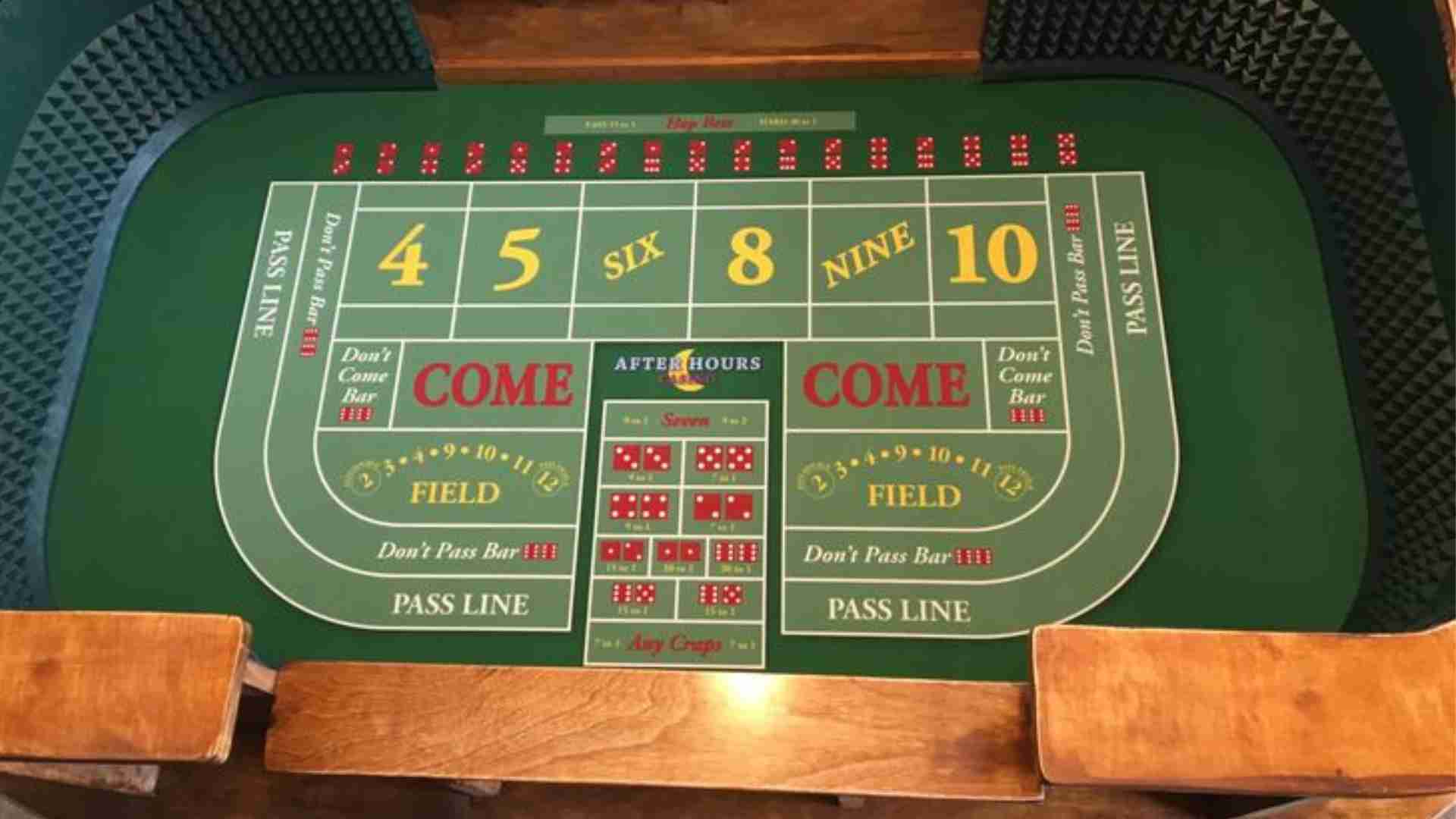
Craps may look intimidating due to its fast-paced nature and complex layout, but it features some of the lowest house margins in the gaming world. The key to maximizing odds at the craps table lies in sticking to fundamental wagers like the Pass Line and Don't Pass Line. These basic options carry a minimal venue edge of roughly 1.4 percent, providing solid statistical value.
Additionally, players can back these initial wagers with odds bets, which carry zero house advantage whatsoever. By avoiding high-risk proposition bets located in the center of the layout, players maintain excellent statistical odds. Focusing on simple line bets ensures an entertaining session without exposing funds to steep mathematical margins.
Baccarat for Straightforward Gameplay
Baccarat offers a rare combination of exceptional statistical odds and extremely simple decision-making. Players only need to choose whether to wager on the Banker hand, the Player hand, or a Tie. Wagers placed on the Banker hand feature a house edge of just 1.06 percent, making it one of the most reliable options available.
Because the dealer handles all card distribution and hit rules automatically, no prior strategic skill is required to maintain these favorable odds. The Player bet is nearly as strong, carrying a modest advantage of 1.24 percent for the venue. Avoiding the high-margin Tie wager ensures that players enjoy consistent mathematical equity throughout their session.
Managing Expectations Across Other Casino Games
While table games like blackjack, craps, and baccarat offer the highest return rates, popular alternatives like roulette and slot machines operate under higher margins. Single-zero European roulette provides better odds than double-zero American roulette, cutting the venue margin nearly in half. Slot machines, on the other hand, feature variable payout ratios that generally favor the operator more significantly.
Recognizing how these mathematical differences impact long-term results allows players to make informed decisions before placing wagers. Balancing personal entertainment preferences with an understanding of statistical margins leads to a more controlled and enjoyable gaming experience. Selecting options with lower built-in advantages ultimately gives players the maximum playing time for their budget.